Nobody Saw It Coming: The Pirate Betrayals That Absolutely Destroyed Us
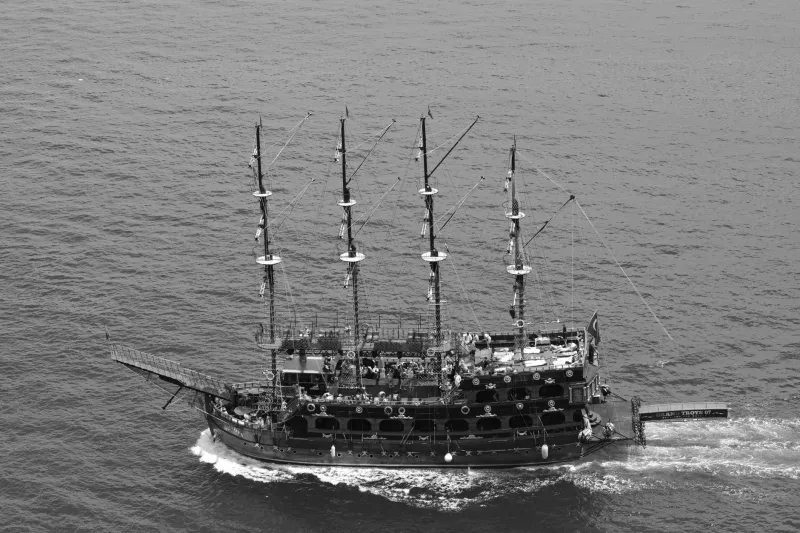
There's a specific kind of emotional damage that only pirate fiction can inflict. It's not the cannonballs or the sea monsters or the cursed gold that really gets you — it's the moment someone you trusted picks up a knife and plants it firmly between your shoulder blades. Pirate stories have always understood something fundamental about human nature: the people closest to you are the ones with the best aim.
Betrayals in pirate fiction hit harder than almost any other genre, and that's not an accident. It's a craft decision, a storytelling weapon, and honestly? It's one of the reasons fans keep coming back for more punishment. Let's break down the mechanics of the best backstabs in the genre and figure out why we're still mad about some of them years later.
The Setup Is Everything
What separates a truly devastating betrayal from a cheap plot twist is investment. The best pirate betrayals spend ages building the relationship that eventually gets torched. Think about how much time a story invests in making you believe in a partnership — the shared meals, the inside jokes, the moments where a character risks their neck for the crew — before it all comes crashing down.
In Sea of Thieves, the lore surrounding the Masked Stranger and the shifting allegiances of the Pirate Lord lineage plays exactly this game. Players spend hours building trust in the world's mythology only to discover that loyalty in these waters is always conditional. The game practically trains you to expect treachery, yet when it lands, it still stings.
Tabletop RPG campaigns set in pirate worlds — Skull & Shackles from Pathfinder being the gold standard — are notorious for producing the most personally devastating betrayals in all of gaming, precisely because the characters doing the betraying were created and roleplayed by your actual friends. There's no algorithm writing those moments. That's just Dave deciding to sell out the whole crew for a magic compass, and you will never forgive Dave.
The Ones That Broke the Internet
When Our Flag Means Death aired its first season, audiences were not prepared for the emotional whiplash the show had in store. The series lulled viewers into a warm, comedic sense of security before pulling the rug out with character decisions that felt both completely shocking and, in retrospect, totally inevitable. That's the hallmark of great betrayal writing — the rewatch moment where you slap your forehead and go, of course.
The online reaction was seismic. Reddit threads ran for thousands of comments. TikTok edits mourned fictional relationships with genuine grief. Fan communities essentially went through the stages of loss in real time, which is exactly what a well-executed betrayal is supposed to trigger.
In the Assassin's Creed: Black Flag universe, the revelation of certain characters' true allegiances rewired how players understood everything they'd experienced up to that point. Edward Kenway's journey is studded with moments where trust is extended and then brutally revoked, and the community still debates which betrayal hurt the most.
Why Mutiny Hits Different
Mutiny is a specific flavor of betrayal that pirate fiction has essentially patented. It's not just one person turning — it's a collective rejection, a democratic vote of no confidence delivered at knifepoint. The captain-crew dynamic in pirate stories is inherently loaded with tension because the power structure is simultaneously rigid and fragile. Any captain worth their salt knows their authority lasts exactly as long as the crew allows it.
What makes mutiny narratives so compelling is the moral ambiguity baked into them. Sometimes the mutinying crew is right. Sometimes the captain they're overthrowing is genuinely a monster. Sometimes both things are true simultaneously. The best pirate stories refuse to hand audiences a clean verdict, and that ethical murkiness is what keeps fans arguing in comment sections long after the credits roll.
Black Sails — arguably the greatest pirate television drama ever produced — built almost its entire narrative architecture around the question of who deserves loyalty and why. Every major character betrays someone, gets betrayed, and often manages to be completely justified in both directions. It's exhausting in the best possible way.
The Mechanics of Maximum Damage
So what's the actual recipe? Breaking down the most effective pirate betrayals across all formats reveals a few consistent ingredients:
Time investment. The longer the relationship, the bigger the explosion. A betrayal in episode two is a plot development. A betrayal in episode seven of a season-long arc is a catastrophe.
Plausible motivation. The betrayer needs a reason that makes sense — ideally one that the audience can almost understand, even while hating it. Pure cartoonish villainy doesn't sting. Complicated, human-scale reasons for doing terrible things? That's the stuff of sleepless nights.
Perfect timing. The best betrayals land at the moment of maximum vulnerability — when the betrayed character (and the audience) has just opened up, just relaxed, just started to believe everything might actually be okay.
Consequences that ripple. A betrayal that gets patched up in one episode doesn't count. Real betrayal reshapes the entire story going forward. The wound stays open.
We Keep Coming Back For More
Here's the genuinely weird thing about pirate betrayal moments: they're a core part of why fans love the genre so much. Nobody watches a pirate story hoping for a peaceful, trust-filled voyage where everyone gets along and shares the treasure equitably. We sail into these narratives knowing someone is going to get stabbed in the back, and we love it anyway.
Maybe it's because pirate fiction creates a space where the normal rules of civilized society have been thrown overboard, and so the stakes of personal loyalty become absolute. When all you have is your crew and the sea, a betrayal isn't just personal — it's existential.
Or maybe we just really, really enjoy being wrecked by fictional characters. Either way, pirate storytelling has figured out that the truest treasure isn't gold. It's the specific, irreplaceable pain of watching someone you believed in choose themselves over you.
Now if you'll excuse us, we're going to go rewatch that scene again and feel terrible about it.