From Pulp Paperbacks to Prestige TV: How Pirate Stories Took Over Every Screen and Shelf
If you've spent any time consuming entertainment in the last decade, you've noticed something. Pirates are everywhere. Not just in the obvious places — not just in the big-budget blockbusters or the obvious fantasy franchises — but everywhere. Indie game storefronts. Graphic novel sections. Podcast feeds. Tabletop game shelves at your friendly local game store. Streaming queues. Pirate content has achieved a kind of total cultural saturation that most genres can only dream about, and it happened so gradually that most of us didn't even notice until we were already surrounded.
So how did we get here? How did a genre rooted in 18th-century maritime crime become the defining adventure format of 21st-century entertainment? Grab a mug of something warm and let's chart the course.
The Video Game Archipelago
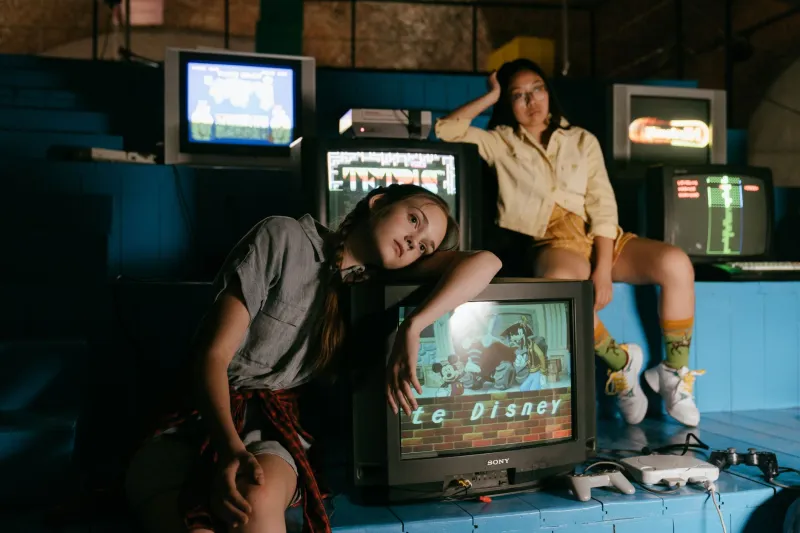
Gaming has arguably been the most fertile ground for pirate content over the past two decades, and the breadth of what's been produced is genuinely staggering. On the AAA end, Sea of Thieves turned the pirate sandbox into a live-service phenomenon that has sustained a massive, devoted player base for years — a remarkable achievement in a market where most games are forgotten within months of launch. Assassin's Creed: Black Flag is still regularly cited as one of the best games in that entire franchise, largely because the pirate setting gave the gameplay a freedom and swagger that the series had never quite managed before.
But the indie space is where things get really interesting. Games like Pillars of Eternity II: Deadfire brought the pirate setting into deep, narrative-driven RPG territory, proving that you could build a genuinely complex political and philosophical story around a ship and a crew. Dredge took maritime themes into horror. Spiritfarer turned the ferryman-of-souls concept into something that made grown adults cry on their couches. The ocean, it turns out, is an endlessly flexible metaphor.
Tabletop gaming has mirrored this explosion. Pathfinder's Skull & Shackles adventure path remains a benchmark for nautical campaign design. Standalone tabletop games like Pirate Borg — a grimy, lo-fi hack of the acclaimed Mörk Borg system — have found passionate audiences who want their pirate content raw, dangerous, and dripping with atmosphere.
The Streaming Sea Change
Television took a while to figure out pirates, but when it did, it did so with considerable style. Black Sails set the template for what prestige pirate drama could look like — morally complex, visually stunning, and willing to take the source material (Treasure Island, in this case) seriously as a jumping-off point for something genuinely ambitious.
Then Our Flag Means Death arrived and did something nobody expected: it made pirate content warm, funny, and emotionally devastating all at once. The show's success demonstrated that pirate narratives weren't locked into a single register. You didn't have to be grim and gritty to be taken seriously. You could be absurd and tender and still tell a story that resonated deeply with audiences.
Netflix's live-action One Piece adaptation — the one that everyone assumed was going to be a disaster and somehow wasn't — proved that the format could translate beloved pirate mythology across cultures and media without losing what made it special. The internet's collective astonishment at how well it worked generated more genuine enthusiasm than most shows get from years of careful marketing.
Graphic Novels and the Illustrated Ocean
Comic shops across America have quietly built robust pirate sections over the past decade, and the quality of what's sitting on those shelves is remarkable. The visual language of comics — the ability to render impossible ships, otherworldly seas, and swashbuckling action in ways that neither prose nor live-action can quite match — makes it a natural home for pirate stories.
Series like The Merry Men and various manga-adjacent works inspired by the One Piece universe have demonstrated that readers want pirate stories with genuine artistic ambition. Meanwhile, the webcomic space has produced countless pirate narratives that have built devoted followings entirely outside traditional publishing infrastructure — a testament to how hungry audiences are for this content when the barriers to entry are removed.
Podcasts, Audio Drama, and the Oral Tradition
There's something poetic about pirate stories thriving in audio drama, given that the original pirate tales were passed down through exactly that kind of storytelling tradition — sailors in taverns, embellishing their own legends until the line between history and myth dissolved entirely.
Audio drama podcasts have embraced pirate and nautical themes with enthusiasm. The intimacy of the format suits the claustrophobic intensity of life at sea, and the best productions in this space use sound design to conjure entire worlds in the listener's imagination. We'll get into the art of pirate audio in more depth elsewhere, but it's worth noting here as part of the broader cross-platform conquest.
Why Creators Keep Returning
The obvious question, having surveyed all of this, is why. Why do pirates keep winning across every format?
Part of it is structural. The pirate setting offers creators a built-in framework for almost any story they want to tell. Want to explore colonialism, capitalism, and systemic injustice? The golden age of piracy is your historical sandbox. Want a found-family narrative about misfits discovering their worth? A ship crew writes itself. Want high fantasy with magic systems and mythological monsters? The ocean is the original frontier of the unknown.
Pirate stories also operate in a space that's simultaneously historical and fantastical — grounded enough to feel real, fantastical enough to accommodate anything. That flexibility is genuinely rare in genre fiction, and smart creators have exploited it brilliantly.
And honestly? Pirates are just cool. They have been for three hundred years. The Jolly Roger is one of the most recognizable symbols in human culture. Whatever the format, whatever the platform, that fundamental coolness travels.