Hear the Sea: How Pirate Audio Design Became the Genre's Secret Superpower
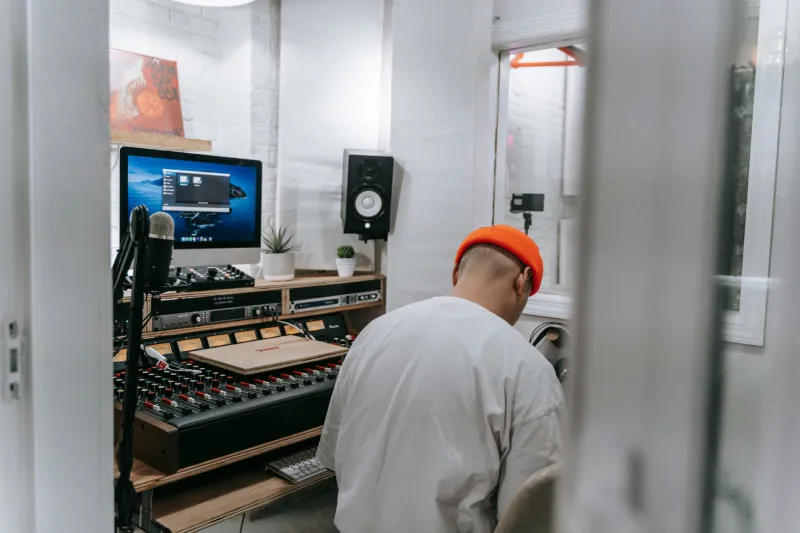
Close your eyes for a second. Think about your favorite pirate game, show, or movie. Now ask yourself: what do you actually hear? Because I'd bet good doubloons that the audio is doing an enormous amount of work in that memory — more than you consciously realized at the time. The particular creak of rigging in a stiff wind. A melody that surfaced during a key story moment and lodged itself in your brain permanently. A character's voice that made you believe, completely and without reservation, that this person was real.
Audio design in pirate entertainment is the genre's most underappreciated craft, and it deserves a proper celebration. So let's give it one.
The Architecture of Immersion
Game audio designers talk about something called the "acoustic environment" — the full sonic landscape that surrounds a player at any given moment. In pirate games, building a convincing acoustic environment is a genuinely complex technical and artistic challenge, because the ocean is one of the most sonically dynamic environments that exists.
Water doesn't sound like one thing. It sounds like a thousand things depending on conditions, depth, proximity, and weather. A calm harbor at dawn sounds nothing like open ocean in a squall, which sounds nothing like the eerie quiet of a fog bank, which sounds nothing like a battle with cannons firing and wood splintering and crew members shouting through the chaos. Getting all of that right — and making the transitions between those states feel seamless — is the kind of work that players absorb without ever consciously registering it.
Sea of Thieves is the most obvious showcase for this kind of environmental audio mastery in gaming. Rare's audio team built a system where the ocean itself essentially performs alongside the player, shifting its sonic character in response to weather, time of day, and in-game events. The result is a world that feels genuinely alive in a way that no amount of visual polish alone could achieve.
The Composer's Compass
If environmental sound design is the foundation, musical scoring is the emotional architecture built on top of it. The composers working in pirate entertainment have developed a recognizable toolkit — but the best of them use those tools in ways that consistently surprise.
Klaus Badelt and Hans Zimmer's work on Pirates of the Caribbean essentially defined the sound of modern pirate adventure for an entire generation of audiences and creators. That main theme — propulsive, slightly chaotic, unmistakably triumphant — became a cultural shorthand for swashbuckling adventure that composers in every medium have had to either embrace, subvert, or carefully avoid ever since.
But some of the most interesting scoring work in the genre has happened in spaces with smaller budgets and bigger creative ambitions. The Black Sails soundtrack, composed by Bear McCreary, made the deliberate choice to root itself in something that felt historically textured rather than cinematically bombastic. The result was music that made the show feel heavier — more real, more tragic, more earned — than a more conventional approach would have allowed.
Video game scoring has its own particular demands, since the music has to be interactive — responding to player actions, looping without becoming maddening, escalating and de-escalating dynamically. The composers who have cracked this in pirate games deserve enormous credit for essentially writing music that works as both a standalone listening experience and a reactive system.
The Sea Shanty Renaissance (Yes, Really)
No discussion of pirate audio would be complete without acknowledging the moment in early 2021 when sea shanties briefly conquered the entire internet. The Sea of Thieves community had been cultivating a genuine shanty culture for years, but when "Wellerman" went viral on TikTok and sparked a global folk-singing moment, it demonstrated something important: people have a deep, apparently dormant hunger for this particular kind of communal music.
Shanties work because they were engineered, historically, for exactly what they're being used for now — collective participation, call-and-response structure, rhythms designed to synchronize effort and build morale. They're social music in the most fundamental sense. Dropping them into games as optional crew activities (as Sea of Thieves does) or using them as diegetic sound design in shows transforms them from background atmosphere into something players and viewers actively participate in.
The composers and music supervisors who recognized this potential and built it into their projects were ahead of the curve in ways that the viral moment of 2021 retroactively validated.
Voice Acting and the Human Heart of It All
All the ambient ocean sound and sweeping orchestral score in the world doesn't mean much if the characters speaking don't feel real. Voice acting in pirate entertainment carries a unique burden — it has to navigate the line between period-authentic and accessible, between theatrical and genuine, between genre-appropriate swagger and actual human vulnerability.
The voice cast of Sea of Thieves built characters that players have genuinely mourned when story arcs ended. The performers behind beloved pirate game characters in the Monkey Island series, the Assassin's Creed franchise, and countless others have created performances that define how audiences understand those characters — often more powerfully than any visual design element.
In audio drama and podcast form, voice performance is everything — there's no visual safety net. Productions like The White Vault (nautical horror territory) and various One Piece dubbing projects have demonstrated that the right voice can make an ocean crossing feel genuinely perilous or genuinely joyful, sometimes within the same scene.
Tuning In
The next time you boot up a pirate game or queue up a pirate show, try something: spend the first five minutes just listening. Really listening. Notice the layers — what's constant, what's reactive, what shifts when the story shifts. Notice how the music is telling you how to feel before the dialogue has said anything. Notice how a single piece of voice acting can make a character feel three-dimensional in thirty seconds.
The audio craftspeople working in pirate entertainment are doing extraordinary work, often without the recognition that the writers, directors, and visual artists receive. They're the ones making sure that when you close your eyes and think about your favorite pirate adventure, you can hear the sea.